
Resilient and Sustainable Water Reuse Solutions: Employing Quantitative Sustainable Design to Overcome Major Drinking Water Quality and Access Challenges
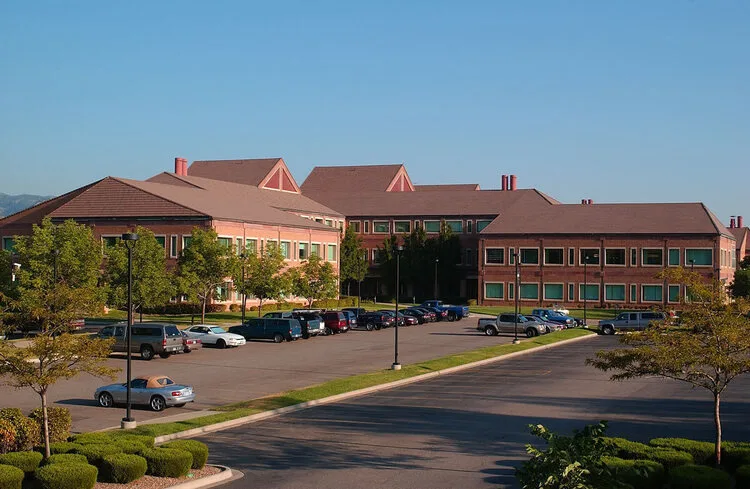
Speaker: Isabella Cobble, EVEN PhD Candidate, Korak & Cook groups
Seminar: Resilient and Sustainable Water Reuse Solutions: Employing Quantitative Sustainable Design to Overcome Major Drinking Water Quality and Access Challenges
Abstract:
Planned water reuse projects that are resilient and sustainable are urgently needed to reliably deliver adequate water quantity while maintaining high water quality. However, implementation is limited because water utilities are constrained by a lack of data needed to make informed decisions and navigate tradeoffs, especially amid increasing natural and anthropogenic hazards. This seminar presents innovative evaluation approaches that will allow stakeholders to accelerate project delivery and mitigate risks associated with technology selection. First, a literature review and meta-analysis of over 400 peer-reviewed articles systematically evaluated definitions and measurements of resilience for centralized water infrastructure, including drinking water, wastewater, and water reuse. Next, quantitative sustainable design (QSD) was employed using novel comparative methods to characterize the economic and environmental decision space for two advanced water treatment technologies for hazardous contaminant removal: granular activated carbon (GAC) and ion exchange (IX). Lastly, QSD methods will be expanded to characterize the vast decision space for another advanced treatment application: comparing carbon- and membrane-based treatment trains for direct potable water reuse. Together, this research will generate multidimensional data to support resilient and sustainable decision-making for utilities, ultimately improving water quality and access for future generations.
Bio:
Fuente: calendar.colorado.edu
Más en Sustainability, Energy and Environment Community (SEEC)
Todos los eventos en Sustainability, Energy and Environment Community (SEEC)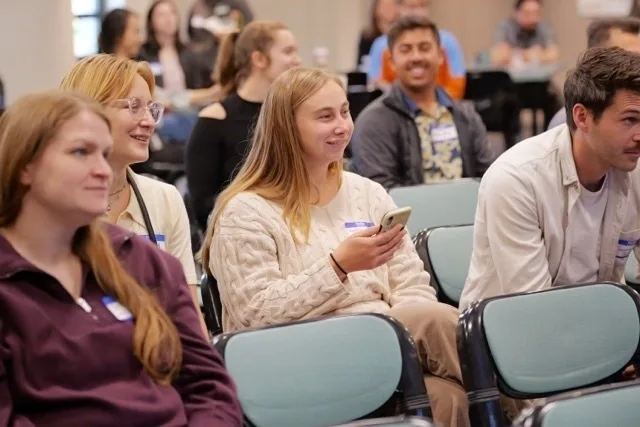 COSINC Innovation Networking Event 2026
Sustainability, Energy and Environment Community (SEEC) · Boulder
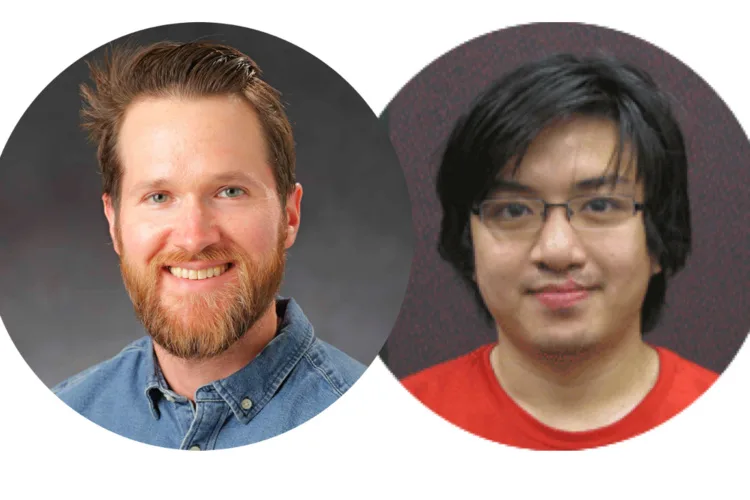 Chase Rakowski & Michael Dyonisius - 2 talks: Titles TBD
Sustainability, Energy and Environment Community (SEEC) · Boulder
 Spanish language lunch table
Sustainability, Energy and Environment Community (SEEC) · Boulder
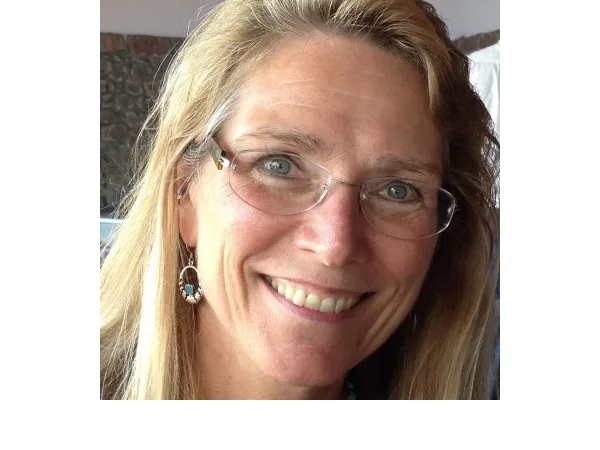 Julie Brigham-Grette - Serendipity in Arctic Quaternary science leads to new frontiers across Beringia
Sustainability, Energy and Environment Community (SEEC) · Boulder
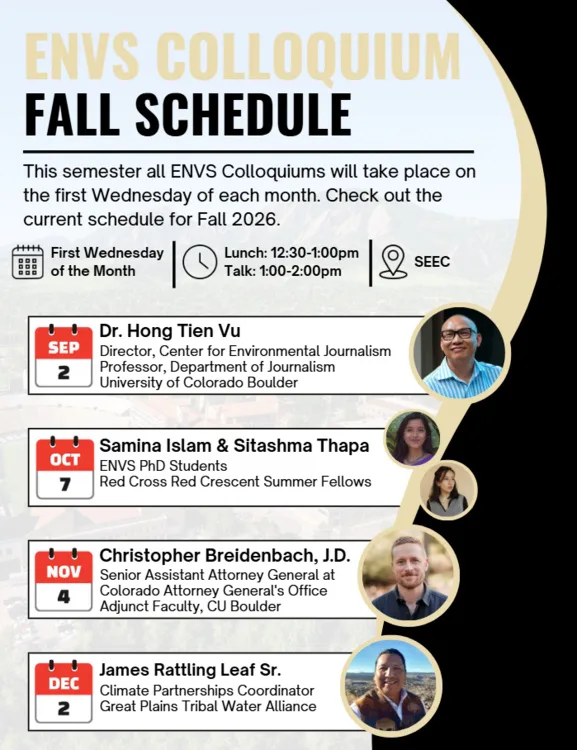 ENVS Colloquium Series
Sustainability, Energy and Environment Community (SEEC) · Boulder