
Richard Socher | The Eureka Machine: Why AI Is the Key to Unlocking a New Era of Scientific Discoveries
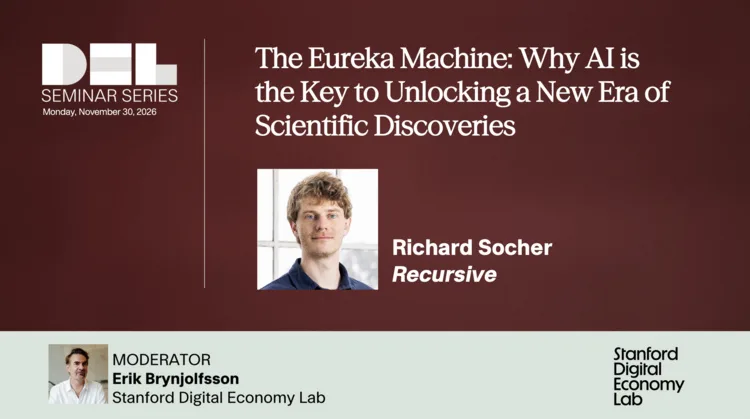
The next, maybe final, frontier of AI research is automating the process of knowledge discovery. By pointing AI first at itself and then at the R&D process of all scientific domains, we can far exceed where human-led research can take us. Richard Socher argues the current pace of scientific discovery has slowed significantly over the past several decades as the fields of science fragment and the number of researchers focused on any one continues to shrink.
The answer to this generational challenge is to automate the scientific method itself. He will lay out the architecture of a full-stack scientific superintelligence: a living map of human knowledge, a unified model of physical reality, high-fidelity simulation, autonomous laboratories, and an agent swarm that works the way a scientific community does. He will explain why recursive self-improvement is how you build it and why the first science to automate is the science of AI itself, and share early results from Recursive, the new company he co-founded to build it.
Lähde: events.stanford.edu
Lisää: Gates Computer Science Building
Kaikki tapahtumat: Gates Computer Science Building
Data, AI & ML kaupungissa Stanford
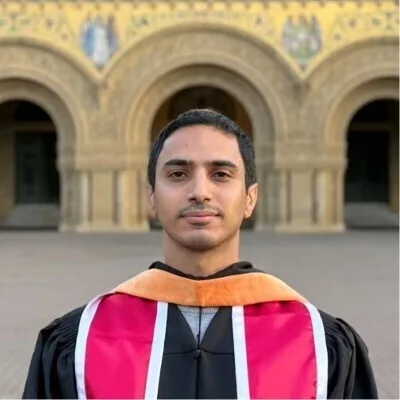 Geophysics Master's Presentation, Hamad Alswaidan: "Machine Learning-Assisted Full Waveform Inversion: Low-Frequency Extrapolation and Cycle-Skipping Mitigation"
Mitchell Earth Sciences · Stanford
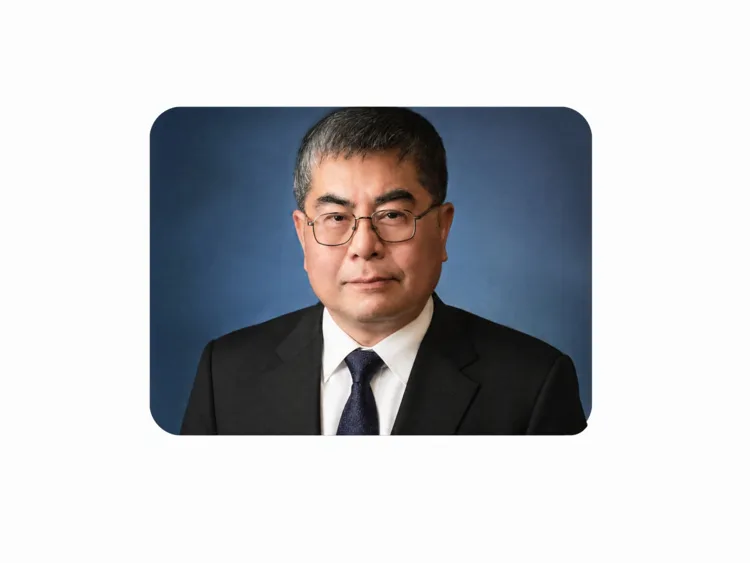 ESE Seminar - Boryann Liaw: "Building Sustainable Artificial Intelligence-Guided Energy Systems from Fundamental Science"
Green Earth Sciences Building · Stanford
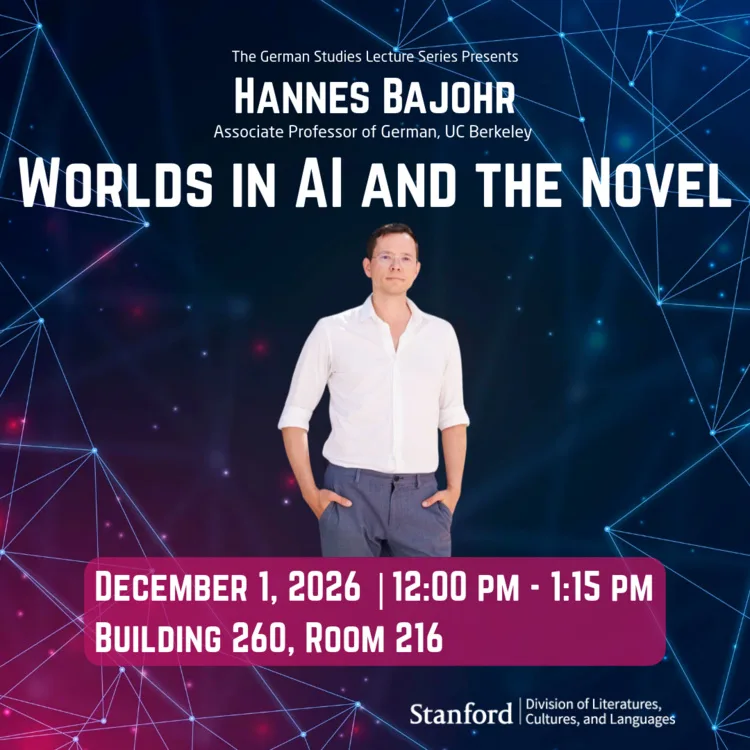 German Studies Lecture Series: Hannes Bajohr - Worlds in AI and the Novel
Building 260, Pigott Hall · Stanford
 Digital Humanities in Slavic Studies - Nataliia Laba: Political Economy of Grief: AI-generated Media and Commercialization of War
Stanford
 CREATE Webinar - Enhancing Parent-Led Interventions Through Artificial Intelligence
Stanford